
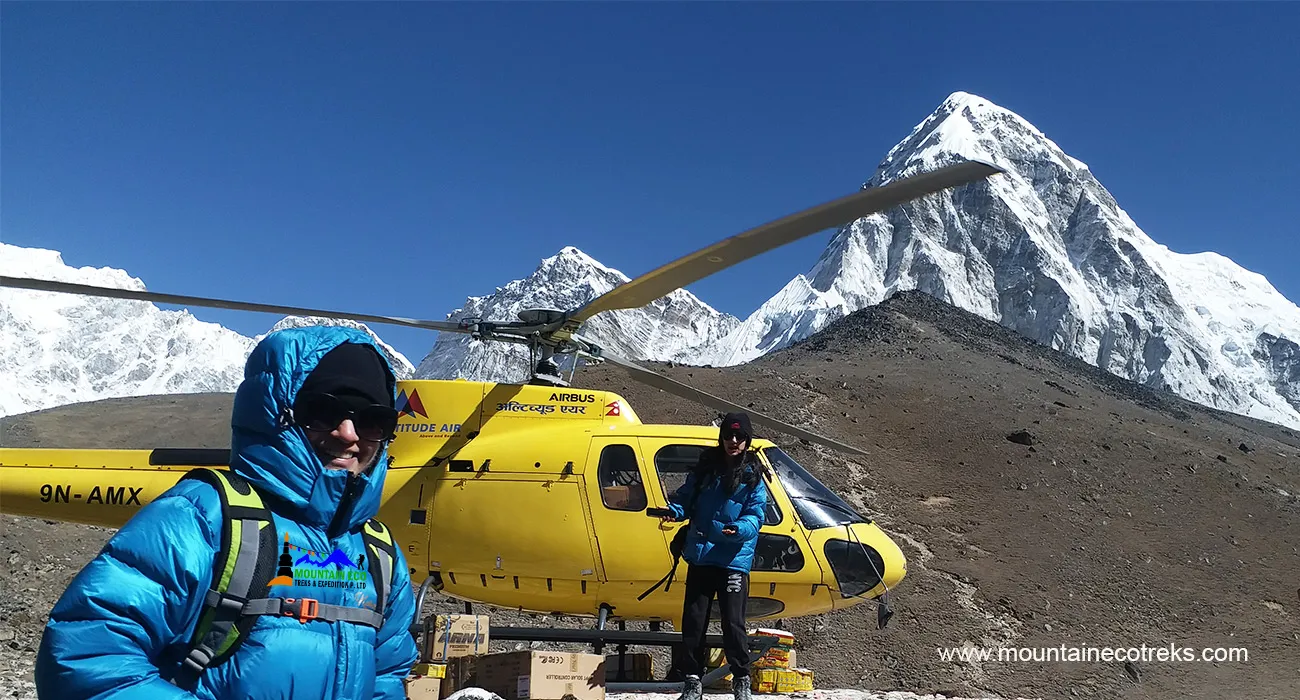
A mountain trail is never exactly the same from one day to the next. The ground can change from smooth paths to stone steps, narrow tracks, rocky stretches, and uneven sections. Learning how to adjust to these differences can make a long trek more comfortable.
The Everest Base Camp Trek with helicopter return offers a journey through several types of terrain. Instead of treating every section of the trail in the same way, it helps to notice how the path changes and adjust your walking style accordingly.
Learn to Read the Trail Ahead
One useful trekking skill is looking a few steps ahead instead of constantly watching your feet.
Watch for Changes in the Ground
A smooth section may suddenly become rocky or uneven. Looking ahead gives you time to choose where to place your feet and adjust your pace.
This is especially helpful when the trail becomes busy. You can avoid sudden stops and move more naturally with the people around you.
Understand Why Your Pace Changes
There is no single walking speed that works for the entire route. Your pace may naturally become slower on steep sections and quicker on easier ground.
Let the Terrain Set the Rhythm
Trying to maintain the same speed everywhere can waste energy. Shorter steps are often more practical on climbs, while flatter sections may allow a more relaxed stride.
During the Everest Base Camp Trek with helicopter return, paying attention to the terrain can help you find a walking rhythm that feels natural rather than forced.
Get Comfortable With Stone Steps
Stone steps are a common feature of Himalayan trails. Some may be low and easy to manage, while others can be uneven or surprisingly high.
Use Your Legs Instead of Rushing
Take your time when climbing or descending long stair sections. Keep your balance and avoid trying to cover several steps at once.
On downhill sections, controlled movements can also help reduce unnecessary strain on your legs.
Treat Rocky Sections Differently
Loose stones and uneven rocks require more attention than a flat path.
Choose Stable Foot Placement
Look for firm surfaces before putting your full weight down. If a section looks unstable, slow down rather than trying to cross it quickly.
Good trekking shoes with reliable grip can make these sections more manageable, but careful foot placement remains important.
Prepare for Narrow Trail Sections
Some parts of the route can feel narrow, especially when the trail passes along slopes or through busy areas.
Give Others Enough Space
If someone is moving in the opposite direction, allow enough room for both travelers to pass safely. Follow your guide’s instructions and avoid standing in awkward places where you could block the trail.
Simple trail manners make the route more comfortable for everyone.
Notice How Descents Feel Different
Walking downhill can seem easier because you are no longer climbing, but long descents can still be demanding.
Control Your Steps
Avoid rushing downhill simply because the trail is going lower. Controlled steps can help you maintain balance and reduce unnecessary impact on your knees.
Use trekking poles if they are part of your equipment and you are comfortable using them.
Adjust Your Clothing as the Landscape Changes
Trail conditions are not the only thing that changes. Temperature, wind, sunlight, and exposure can also vary during the same day.
Use Layers Instead of One Heavy Jacket
Several lighter layers give you more flexibility. You can add a layer during colder periods and remove one when the sun becomes stronger.
Keeping an extra layer accessible in your daypack is more useful than storing it at the bottom of your luggage.
Learn From the People Around You
Guides, porters, and experienced trekkers often notice details that first-time visitors may miss.
Ask Simple Questions
If you are unsure about a trail section, ask your guide. You can also ask about the day’s terrain, expected walking conditions, or where the next comfortable rest point may be.
Small conversations can help you understand the route better while also giving you a deeper connection with the journey.
Give Your Feet Regular Attention
Your feet are doing the work every day, so small problems should not be ignored.
Deal With Discomfort Early
If your socks feel uncomfortable or your shoes are rubbing against your feet, address the problem during a break.
Waiting until the end of the day can make a small irritation much harder to manage. Keeping spare socks available can also be useful during a long trek.
Make Breaks More Useful
A break does not have to mean sitting for a long time. It can be a short opportunity to reset your body and equipment.
Use Breaks for More Than Rest
During a stop, check your water, adjust your backpack, remove or add a layer, and look at how the trail continues ahead.
These small adjustments can prevent discomfort from building during the next section.
Respect the Trail as Part of the Experience
The path is not simply a way to reach the next destination. It is part of what makes the journey memorable.
You may cross old stone paths, suspension bridges, mountain settlements, and sections surrounded by dramatic Himalayan scenery.
Notice the Small Details
Look at the prayer flags, stone walls, carved mani stones, local homes, and changing vegetation around the trail.
These details tell a story about the region that cannot be understood from photographs alone.
Think Differently About the Final Walking Section
As you approach Everest Base Camp, it can be tempting to focus entirely on reaching the destination.
Instead, pay attention to the trail itself and how different the landscape feels compared with the beginning of your journey.
The changing terrain is one of the reasons the Everest Base Camp Trek with helicopter return feels like a gradual transition from lower mountain valleys into a high-altitude environment.
Let the Helicopter Complete the Contrast
After days of experiencing the mountains at walking level, the helicopter return provides an entirely different perspective.
The route you slowly covered on foot becomes a landscape viewed from above. Valleys, ridges, settlements, and winding trails can appear much smaller from the air.
This contrast gives the Everest Base Camp Trek with helicopter return a distinctive ending and allows you to appreciate the scale of the journey in a new way.
Final Thoughts: Learn to Move With the Mountain
The best way to handle a changing mountain trail is not to fight against it. Adjust your pace, watch the ground, use your equipment wisely, and give yourself time to respond to different conditions.
The Everest Base Camp Trek with helicopter return becomes more enjoyable when you stop expecting every section to feel the same. Each part of the route has its own character, from easier lower paths to rougher high-altitude terrain.
By learning to move comfortably with those changes, you can spend less energy worrying about the trail and more time appreciating the remarkable journey around you.
Frequently Asked Questions
Does the trail remain the same throughout the trek?
No. The route includes different surfaces and terrain, including stone paths, steps, rocky areas, and uneven sections.
How can I handle steep stone steps?
Take shorter steps, maintain your balance, and avoid rushing. A steady pace can make long stair sections easier to manage.
Are trekking poles useful?
They can provide additional support and balance, particularly on uneven or descending sections, if you are comfortable using them.
Should I change my walking speed during the trek?
Yes. Your pace can naturally change depending on the slope, surface, weather, and how your body feels.
Why is understanding the trail useful on the Everest Base Camp Trek with helicopter return?
Knowing how to respond to different surfaces can improve comfort, balance, and energy management throughout the journey.
What makes the return journey different?
Instead of walking back through the same route, the helicopter provides an aerial view of the landscape and creates a very different ending to the trekking experience.
