
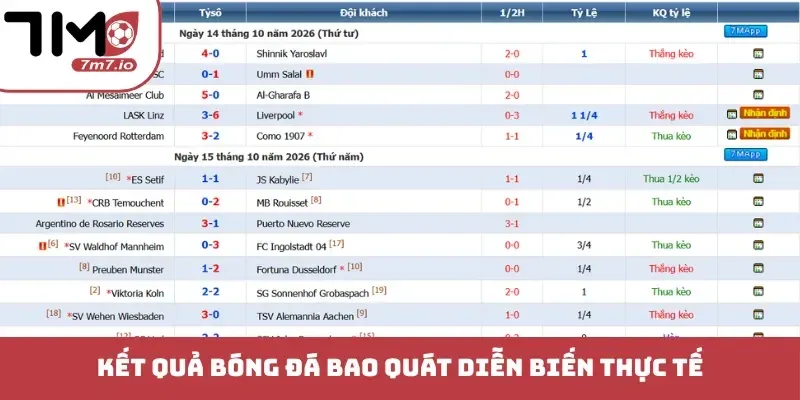
In the fast-paced world of modern sports, fans no longer want to wait until the morning newspaper or the late-night broadcast to find out how their favorite teams performed. Instant access to data, live match updates, and real-time statistics has fundamentally transformed how we consume athletics, particularly the beautiful game of football. For millions of enthusiasts across the globe, 7m has become synonymous with speed, reliability, and comprehensive coverage. Whether you are tracking a tense European Champions League knockout tie, a fiercely contested domestic derby, or an emerging youth tournament across the globe, having a centralized platform that delivers accurate updates by the second is essential for staying ahead of the game.
The evolution of digital sports platforms has bridged the gap between the stadium and the living room. Today’s supporters demand more than just a basic scoreboard; they seek deep tactical insights, historical head-to-head records, injury reports, and live odds movements. This article explores how modern live-score platforms operate, why real-time data matters more than ever, and how fans can leverage these digital tools to elevate their overall sports experience.
The Evolution of Live Sports Tracking
Not long ago, following multiple football matches simultaneously required flipping furiously between television channels or listening to crackly radio broadcasts. The advent of the internet changed that landscape, but early sports websites were often sluggish, requiring manual page refreshes that frequently crashed under heavy weekend traffic.
From Teletext to Instant Data Feeds
In the 1990s and early 2000s, services like Teletext provided rudimentary updates that lagged several minutes behind the actual on-pitch action. Today, automated data scouting networks stationed inside stadiums worldwide transmit match events—goals, yellow cards, substitutions, corners, and VAR decisions—within milliseconds of them occurring.
The Rise of Multi-League Coverage
Modern football is truly global. A fan sitting in Southeast Asia might closely follow the English Premier League, Spain’s La Liga, Vietnam’s V.League 1, and the Brazilian Serie A all in the same weekend. Comprehensive live-score hubs aggregate data from hundreds of professional, semi-professional, and youth competitions, ensuring that no match goes unnoticed regardless of time zone or geographic boundary.
Key Features Every Modern Football Fan Needs
When evaluating a premier sports data platform, several core features separate industry leaders from basic scoreboards. Understanding these tools helps fans maximize their matchday routine.
1. Real-Time Match Trackers and Visualizers
When a game isn’t broadcast locally, a live match visualizer becomes indispensable. Advanced platforms offer dynamic 2D pitch animations that show which team is currently attacking, where dangerous free kicks are awarded, and how possession shifts momentum throughout the 90 minutes.
2. In-Depth Pre-Match and Live Statistics
Numbers tell the story behind the scoreline. A team might be trailing 1-0 at halftime, yet underlying metrics could reveal they are dominating the contest. Essential statistical categories include:
-
Expected Goals (xG): Measures the quality of scoring chances created by each side.
-
Possession and Pass Accuracy: Indicates tactical control and midfield dominance.
-
Shots on Target vs. Off Target: Helps distinguish genuine attacking threat from speculative long-range efforts.
-
Disciplinary Records: Tracks fouls committed, yellow cards, and red cards that often dictate second-half substitutions.
3. Confirmed Lineups and Tactical Formations
Roughly one hour before kickoff, official team sheets are released. Instant access to confirmed starting elevens, bench options, and tactical formations (such as a 4-3-3 high press versus a compact 5-4-1 low block) allows fans and analysts to predict how the match will unfold before the referee blows the opening whistle.
Why Speed and Accuracy Matter in Football Analysis
In football, a single moment—a deflected shot, a stoppage-time penalty, or a sudden red card—changes everything. Consequently, the integrity of a live-score service rests entirely on two pillars: latency and precision.
Low latency ensures that users receive notifications virtually simultaneously with the live television broadcast. Meanwhile, rigorous verification protocols prevent “phantom goals” or misattributed assists, especially in the era of Video Assistant Referees (VAR), where celebrations are frequently cut short by offside reviews.
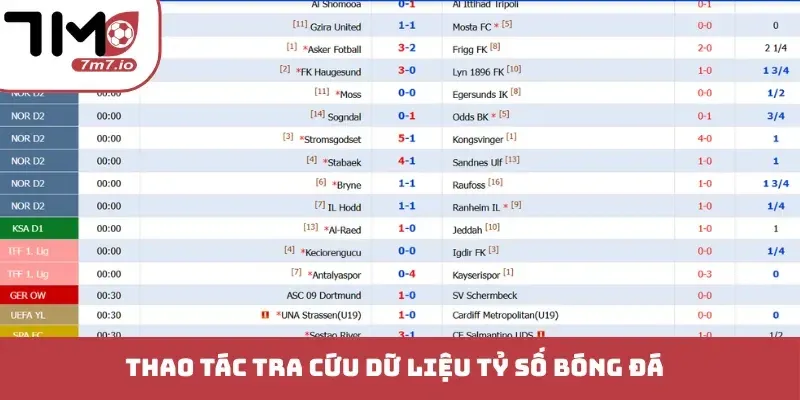
For fans looking to review overnight fixtures, verify final scores across major European leagues, or analyze recent form guides before the next matchday, checking accurate kết quả bóng đá ensures you never miss a crucial shift in the league standings. Having an organized archive of completed fixtures alongside upcoming schedules makes it effortless to spot winning streaks, defensive vulnerabilities, and title-race trends.
How Data Enhances the Fan and Analyst Experience
Access to structured football data isn’t just for broadcasters and club scouts anymore; it empowers everyday supporters to engage with the sport on a much deeper intellectual level.
Smarter Fantasy Football Decisions
Fantasy sports managers rely heavily on granular data. Knowing which full-back consistently delivers the highest number of key passes or which striker averages the most touches inside the penalty box gives managers a distinct competitive edge when setting their weekly rosters.
Deeper Tactical Appreciation
By comparing heatmaps, average player positions, and head-to-head historical matchups, casual viewers quickly develop a sharper eye for coaching adjustments. You begin to notice why a manager substitutes a tired winger at the 65-minute mark or how a tactical shift to a double pivot stifles an opponent’s creative playmaker.
Seamless Mobile Accessibility
Modern lifestyles rarely allow fans to sit stationary in front of a desktop monitor all weekend. Responsive mobile interfaces and customizable push notifications mean you can receive instant goal alerts for your favorite clubs while commuting, working, or spending time with family.
Navigating the Future of Digital Sports Platforms
As artificial intelligence and machine learning become further integrated into sports broadcasting, live-score platforms are poised to become even more intuitive. Predictive win-probability algorithms already update dynamically after every major match event, calculating the exact percentage chance of a comeback in the final ten minutes.
Furthermore, personalized dashboards allow users to filter out noise and focus exclusively on the leagues, clubs, and tournaments that matter most to them. By combining lightning-fast updates, comprehensive statistical databases, and user-friendly navigation, modern sports portals continue to redefine what it means to be a connected football fan in the digital age.
