
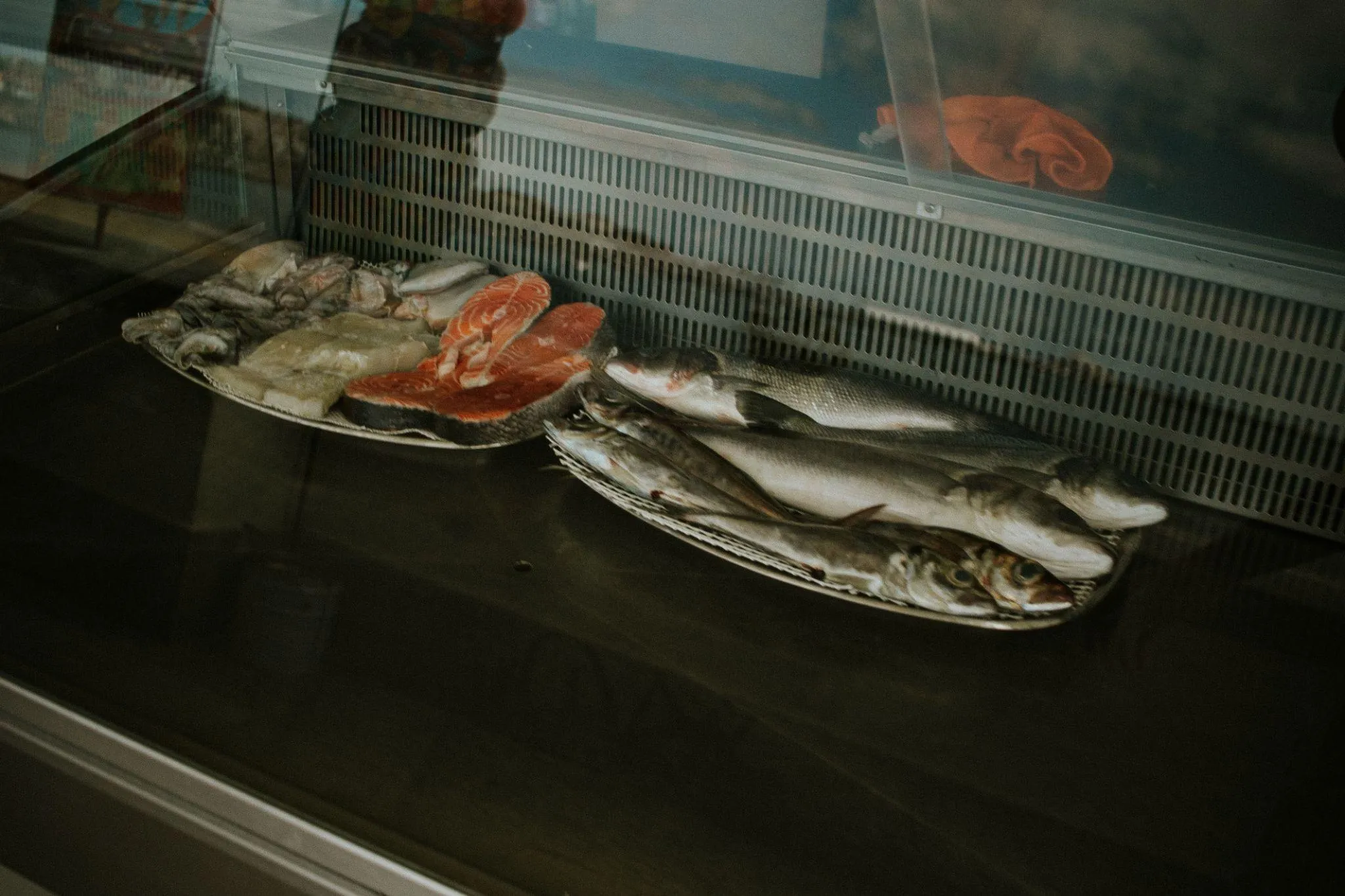
Australians get through around 15 kilograms of seafood per person every year, but most people couldn’t tell you where that fish actually came from – whether it was pulled from a well-managed fishery or one that’s quietly in trouble. There are labels, certifications, and competing claims everywhere, and working out what any of it means takes more effort than it should. The good news: a handful of simple habits go a long way toward making better choices without needing a marine biology degree.
What follows covers how to shop smarter at the market, ask the right questions at restaurants, and sort through some of the myths that tend to muddy the water.
Shopping for Seafood: Tips and Tricks
Start with the label. Country-of-origin information is mandatory for most unpackaged seafood sold in Australia, so check it. Also look at whether something is wild-caught or farmed – both can be fine, but it’s worth knowing. If the label just says “seafood mix” and leaves it there, that’s your cue to ask questions rather than fill in the blanks yourself.
Talk to whoever’s behind the counter. It sounds obvious, but most people don’t do it. Ask where the fish was caught, how it was caught, whether it’s in season. Fishmongers at dedicated seafood counters genuinely tend to know their product and usually don’t mind sharing what they know.
Seasonality matters more than people realise. Australian waters have different highlights through the year – summer is good for prawns and Balmain bugs; cooler months suit oysters and Southern Rock Lobster better. In-season seafood is fresher, often tastier, and there’s less strain on species when you’re not buying into demand outside their natural abundance cycle.
Sustainable doesn’t have to mean expensive, either. Australian sardines, mullet, squid – these get overlooked constantly, but they’re abundant, affordable, and generally well-managed. Picking up something like sardines instead of tuna every once in a while actually helps ease pressure on the more popular species. Worth trying even if they weren’t your first instinct.
Dining Out: Making Better Choices at Restaurants
A menu that tells you the species, where it’s from, and how it was caught is usually a decent sign. One that just says “fish of the day” with nothing else? Worth asking before you order.
Most waitstaff at restaurants that care about sourcing are happy to answer questions like “Is this local?” or “How is it sourced?” – and if they can’t tell you anything at all, that’s information too, even if it’s not the kind you were hoping for.
Places on Queensland’s Sunshine Coast have become a good example of this. A fresh seafood restaurant in Noosa, for instance, will often name the fish, the fishers, even the boat – so there’s a real connection between what’s on your plate and where it came from, rather than a vague gesture toward the ocean.
There’s a broader benefit here too. Eating at places that work directly with local fisheries supports regional economies and helps keep fishing communities going for the long term. It’s not just an environmental argument.
Common Seafood Myths Debunked
Farmed seafood gets a rough ride, often unfairly. The picture is more complicated than “wild good, farmed bad.” Barramundi and mussels, for example, can have a pretty low environmental footprint when the aquaculture is managed well. What matters is how the operation runs, not the category it falls into.
Certification logos are another source of confusion. The Marine Stewardship Council (MSC) mark means the fishery has been independently assessed – but no logo doesn’t automatically mean a product is unsustainable. Plenty of smaller Australian fisheries are run responsibly; they just haven’t gone through formal certification because the cost doesn’t make sense at their scale.
And the assumption that trendy equals sustainable doesn’t hold up. Some of the most popular species face serious pressure from overfishing, while lesser-known alternatives sit at perfectly healthy population levels. Popularity and environmental impact rarely line up neatly.
Making Seafood Choices You Can Feel Good About
You don’t need to become an expert. What actually helps is staying curious – reading labels, asking questions, and being willing to try something you wouldn’t normally pick up. Each choice, whether you’re at a fish counter or sitting down to dinner, nudges things in a better direction for Australia’s oceans and the people whose livelihoods depend on them.
