
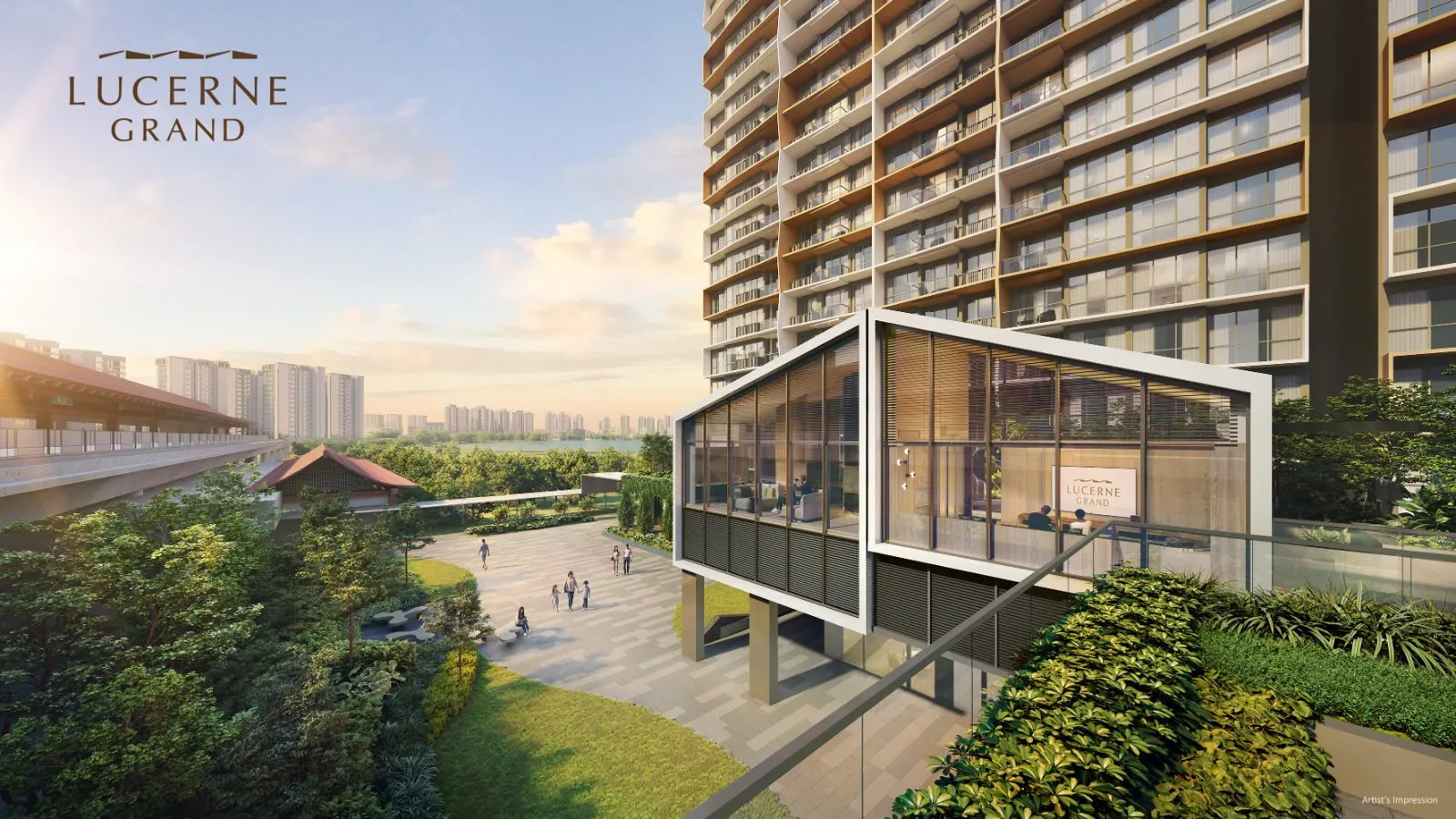
Investors searching for premium real estate options in 2026 face a compelling choice between two highly anticipated residential developments. The upcoming launch of the Lucerne Grand represents a major milestone for buyers seeking upscale urban living with strong growth potential. Positioned against its main rival, the Thomson Reserve, this development promises to redefine luxury living while offering distinct advantages for long-term wealth accumulation. Choosing between these two projects requires a careful analysis of market trends, regional growth drivers, and specific property attributes. This comparison evaluates how each development positions itself to deliver superior capital gains over the next decade, helping you make an informed investment decision.
Location and Connectivity Analysis
Location remains the primary driver of real estate appreciation, and both properties offer distinct geographic advantages. The primary development sits in a highly connected central district, boasting immediate access to major mass transit lines and primary expressways. Residents can reach the central business district in under fifteen minutes, making it highly attractive to working professionals. This central positioning ensures a consistent baseline of demand, which historically protects property values during market downturns and accelerates appreciation during economic expansions. The immediate neighborhood features established commercial hubs, retail complexes, and dining options, all within walking distance.
The Suburban Appeal of the Alternative
In contrast, the Thomson Reserve occupies a quieter, suburban enclave characterized by lush green spaces and family-friendly neighborhoods. While it lacks the immediate rapid transit proximity of its urban counterpart, it compensates with excellent road connectivity and proximity to prestigious regional schools. Families often prioritize these lifestyle factors, which creates a stable, low-turnover community. However, from a pure capital growth perspective, urban transit-oriented developments typically experience faster initial price acceleration. The premium paid for central connectivity at the urban site translates directly into higher demand from high-earning tenants, giving it a slight edge in early-stage capital appreciation. This transit premium will likely widen the valuation gap over a ten-year investment horizon.
Architectural Innovation and Unit Layouts
Modern buyers demand functional, flexible spaces that accommodate hybrid work arrangements and sustainable living. The architectural design of the Lucerne Grand emphasizes smart home integration, energy-efficient appliances, and flexible floor plans. Developers have utilized premium materials and high-end finishes to appeal to affluent buyers who value long-term durability. These sustainable features lower ongoing maintenance costs, which is an increasingly important factor for future buyers looking at secondary market purchases. The communal amenities include a rooftop infinity pool, a state-of-the-art wellness center, and shared co-working spaces designed for modern professionals.
Design Philosophy Comparison
Meanwhile, the layout strategy at the Thomson Reserve focuses on maximizing square footage for multi-generational families. The units feature larger living areas, expansive balconies, and dedicated storage spaces. While this spacious layout appeals strongly to owner-occupiers, it can sometimes limit the pool of potential buyers to larger families, potentially slowing down resale liquidity. The urban alternative, with its mix of one-bedroom study units and efficient three-bedroom configurations, targets a broader demographic. This wider appeal across singles, young couples, and small families enhances resale liquidity. When assets are easy to buy and sell, sellers can command premium prices more easily, directly boosting long-term capital appreciation.
Rental Yields and Demographic Demand
To sustain long-term capital appreciation, a development must generate healthy rental yields that support property carrying costs during economic transitions. The central location of the Lucerne Grand positions it perfectly to capture high-paying expatriate tenants and corporate relocations. Proximity to major employment nodes means landlords can command premium rental rates, translating to gross rental yields estimated at four to five percent. High rental yields attract property investors who look for steady cash flow, creating a strong floor price for the development. This investor interest ensures consistent transactional activity, which helps validate and increase market valuations over time.
Targeting the Right Tenant Demographics
Conversely, the suburban project appeals to a different demographic, consisting primarily of local families and long-term domestic tenants. While these tenants tend to stay longer, reducing vacancy turnover costs, they are generally more price-sensitive than corporate tenants. This price sensitivity can cap rental growth, resulting in lower overall yields. Investors who rely heavily on rental income to offset mortgage payments may find the central project more financially viable. Over time, the compounding effect of higher rental income reinvested or used to pay down principal faster significantly enhances the total return on investment, making the centrally located development a more lucrative vehicle for wealth generation.
Future Infrastructure and Master Plans
Government master plans play a pivotal role in driving localized property appreciation. The region surrounding the central development is slated for several major infrastructure upgrades over the next decade. Planned expansions of the local transit network and the introduction of new commercial zones will inject fresh economic vitality into the area. These public investments directly translate into private property gains, as improved amenities attract more residents and businesses to the immediate vicinity. These enhancements ensure that the property remains modern and desirable even as it ages.
Capitalizing on Regional Growth
The suburban area also benefits from municipal attention, with plans for new community hubs and green corridors. However, these developments focus primarily on lifestyle enhancement rather than economic job creation. While a new park or community center improves liveability, it does not drive property values upward at the same rate as a new business park or transit interchange. The economic growth engine driving the central district guarantees a continuous influx of high-value jobs, creating a self-sustaining cycle of demand. For investors looking to maximize their capital gains, aligning their portfolio with major commercial infrastructure projects yields much higher returns than investing in purely residential or lifestyle-focused expansion zones.
Final Thoughts
Both the 2026 launches present unique opportunities for different profiles of real estate buyers. The suburban option offers an excellent environment for families seeking space and tranquility, backed by stable long-term demand. However, for investors prioritizing maximum capital appreciation, the central project stands out as the superior choice. Its unmatched transit connectivity, robust rental yield potential, and alignment with major commercial master plans position it for stronger price growth over the next decade. By focusing on asset liquidity, tenant demand, and future economic drivers, buyers can secure a highly resilient asset that promises excellent financial returns well into the future.
