
A good makeup look does not begin with foundation or concealer. It starts with the condition of the skin underneath. When the face feels dry, oily, or uncomfortable, makeup may settle unevenly, collect around certain areas, or lose its fresh appearance throughout the day.
This is why skincare preparation deserves attention before applying cosmetics. Cleansing, moisturising, and sun protection can create a more comfortable foundation for everyday makeup. People concerned about uneven skin tone may also benefit from choosing a suitable Sunscreen for hyperpigmentation as part of their morning routine.
The goal is not to use dozens of products before applying makeup. A few well-selected skincare steps can make the process easier while supporting healthy-looking skin.
Start With the Skin, Not the Makeup Products
Many makeup users spend considerable time comparing foundations, primers, and concealers but overlook their basic skincare routine.
However, makeup products cannot replace the preparation needed to keep skin comfortable. Applying foundation over dry patches or excessive oil can make the final result less consistent.
The first step is understanding what your skin needs.
Identify your skin’s daily condition
Skin can behave differently depending on the weather, environment, and skincare products being used.
-
Dry skin: May benefit from a moisturiser that supports hydration before makeup.
-
Oily skin: Often feels more comfortable with lightweight, non-greasy products.
-
Combination skin: May require different amounts of moisturiser across the face.
-
Sensitive skin: Generally benefits from simple formulas with ingredients the person already tolerates.
You do not need a separate product for every small concern. Start with a routine that addresses your main needs without making the skin feel overloaded.
Why Sunscreen Belongs Under Everyday Makeup
Makeup application often happens in the morning, which makes it a convenient time to include sun protection.
Daily exposure to ultraviolet radiation can contribute to sunburn, premature skin ageing, and pigmentation changes. Foundation and compact powder should not be treated as substitutes for dedicated sunscreen.
A broad-spectrum sunscreen with SPF 30 or higher helps protect against UVA and UVB radiation when applied correctly.
For people managing uneven skin tone, consistent sun protection is particularly relevant. A suitable Sunscreen for hyperpigmentation concerns can complement other skincare steps by helping reduce additional UV-related pigmentation triggers.
Apply sunscreen before primer and foundation
A practical product order is:
-
Cleanser.
-
Moisturiser, if needed.
-
Sunscreen.
-
Primer, if part of your makeup routine.
-
Foundation or other complexion products.
Allow each layer to settle before applying the next one. This helps reduce unnecessary rubbing and product movement.
Sunscreen should be applied in an adequate amount rather than mixed directly into foundation. Mixing products can affect the sunscreen’s ability to provide the protection stated on its label.
The Problem With Using Too Many Layers
A common makeup preparation mistake is applying several products without considering how they work together.
For example, someone might use a hydrating toner, two serums, a rich moisturiser, sunscreen, primer, and foundation within a few minutes. Even when each product works well individually, the combination may feel heavy.
This can lead to pilling, where small product particles appear on the skin during application.
Give products enough time to settle
There is no universal waiting time for every skincare formula. However, applying one layer, allowing it to settle, and then moving to the next step can help identify products that do not work well together.
If pilling continues, simplify the routine.
Try removing one unnecessary layer at a time instead of purchasing another primer or makeup product to hide the problem.
A comfortable routine usually performs better than an unnecessarily complicated one.
Choose Makeup-Friendly Sunscreen Based on Its Finish
Not every sunscreen has the same texture or finish. Some formulas feel rich, while others are designed to spread easily and leave a lighter finish.
The right choice depends on your skin type, personal comfort, and makeup preferences.
When comparing options, pay attention to:
-
Texture: Lightweight formulas may feel more comfortable under daily makeup.
-
Finish: Consider whether you prefer a natural, matte, or dewy appearance.
-
White cast: Visible residue can affect how complexion products look.
-
Compatibility: Check whether the sunscreen works with your regular moisturiser and primer.
-
Protection: Prioritise broad-spectrum protection rather than selecting a product based only on its cosmetic finish.
The Best sunscreen for makeup users is not automatically the one with the most fashionable packaging or the highest price. It should provide suitable protection while working comfortably with the products already in your routine.
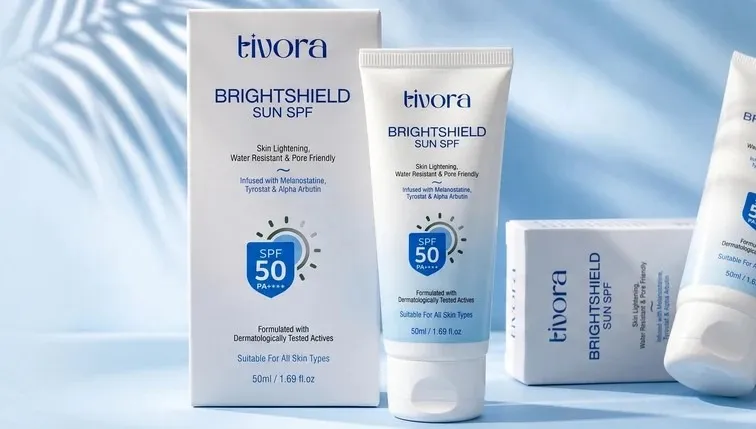
For example, Tivora BrightShield SPF 50 PA++++ is an option for people who prefer a lightweight sunscreen with a no-white-cast positioning. Its formula includes Alpha Arbutin, Tyrostat, and Melanostatin. These ingredients may be relevant to a broader skincare routine, but they should not be treated as a replacement for sun protection..
Build a Routine That Works With Your Schedule
A skincare routine should fit into real life. Someone preparing for an early office meeting may not have twenty minutes for multiple products.
A simpler approach can make daily consistency easier.
For a quick morning routine:
-
Wash your face with a suitable cleanser.
-
Apply a light moisturiser if your skin needs it.
-
Use your regular sunscreen.
-
Allow it to settle before applying makeup.
-
Finish with foundation, concealer, and other cosmetics.
You can adjust the number of steps depending on your skin’s needs. For example, someone with oily skin may find that a comfortable moisturiser and sunscreen are enough before makeup.
The important point is to avoid removing sun protection simply because you are short on time.
Final Thoughts
A comfortable makeup base is built through thoughtful skincare preparation rather than the number of products used. Cleansing, appropriate moisturising, and consistent sun protection can make everyday makeup application more manageable.
Choosing the Best sunscreen requires more than looking at its SPF number. Texture, UVA protection, compatibility, and personal comfort all influence whether a product becomes part of your daily routine.
For people concerned about uneven skin tone, a suitable Sunscreen for hyperpigmentation concerns can support a broader skincare approach when combined with consistent application and other appropriate products.
Make sun protection a regular step before makeup instead of treating it as an optional addition. Your routine should be simple enough to follow every morning and practical enough to maintain over time.
