
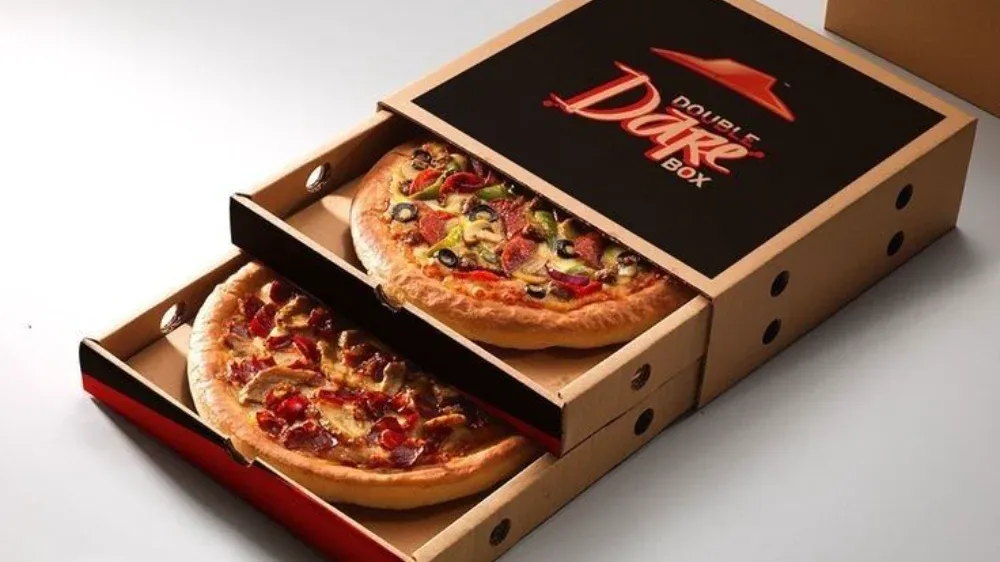
The Pizza Is Gone. Can the Box Go in the Recycling Bin?
Pizza has a way of making a mess without anyone really minding. There are crumbs on the table, a little sauce on somebody’s sleeve, and usually one last crust nobody seems particularly interested in. The cardboard box is another problem. Once dinner is over, there left with grease marks and bits of cheese, leaving someone to make a decision: recycling or trash?
The advice heard by many Americans was simple for years. Greasy cardboard can’t be recycled, and the pizza box has to go in the garbage. It sounds reasonable. Clean cardboard goes into the bin. Dirty cardboard goes in another.
Pizza boxes are a bit trickier, though. A few grease stains don’t automatically rule out recycling. What matters more is leftover food, serious contamination, and whether your local program takes pizza boxes at all. And that’s worth keeping in mind—after pizza night, a box with a few oil spots is pretty normal.
The Grease Stain Is Not the Whole Story
Thinking about after a pepperoni pizza has been shared among four people. There might be translucent patches where oil has soaked into the cardboard box base, a few crumbs in the corners and perhaps a small smear of cheese.
Many people would throw the whole thing away without a second thought.
But paper mills that take recovered cardboard can handle the usual grease and cheese you get on pizza boxes. The US Environmental Protection Agency says greasy pizza boxes can still be recycled—just remove any food scraps and follow your local program’s rules.
The distinction is between a greasy box and one still carrying a substantial amount of food.
A few oil marks are one thing. Half a slice stuck to the bottom, puddles of leftover sauce, or a cardboard base soaked through with grease—that’s really another story. At that point, though, the condition of the box and your local waste system’s rules matter more.
No need to spend five minutes scrubbing a cardboard box just to make it look really clean. Washing it would only add extra moisture. The goal here is to get the food out, not restore the packaging to showroom condition.
What to Do With the Box After Dinner
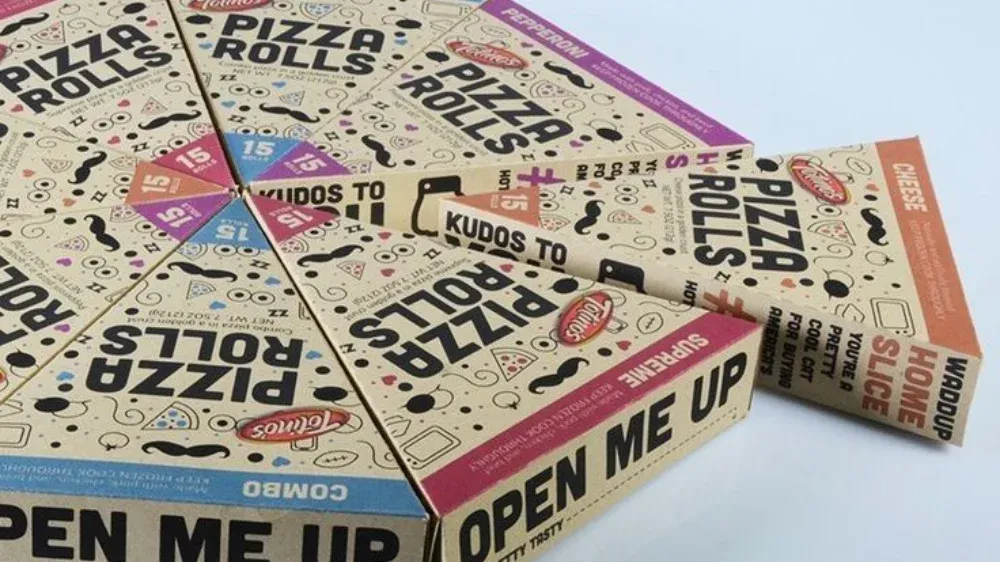
Most pizza boxes barely need any prep before they go out the door. Sort them as you clear the table—don’t turn it into a separate job. Pull out the leftover slices, crusts, and loose toppings first. Don’t leave food scraps inside the box when it actually goes in the recycling bin. Check for the little extras that sometimes come with an order, too.
The plastic stand in the middle—the one that keeps the lid off the cheese—is the obvious one. Sauce cups, plastic liners, and any other separate packaging have to come out as well.
They don’t belong in cardboard recycling just because they showed up inside the box. Flatten the cardboard. That step is really easy to skip, especially when boxes pile up after a family gathering or a game-night order.
Flattening them saves room in the cart and makes them easier for crews to handle on pickup day. If the box is otherwise empty and your local service takes pizza boxes, the grease marks can usually stay right where they are. No special cleaning ritual needed.
What About a Box That Is Half Grease and Half Cardboard?
This is where a little common sense helps.
Sometimes the bottom of a box is badly stained but the lid looks almost untouched. Other times, a few slices have been shifted around so much that part of the cardboard is damp and cheese-covered, even though the rest is still in pretty decent shape.
Depending on local instructions, you may be able to separate the cleaner lid from a heavily soiled base. The cleaner section can go into recycling, while the contaminated part is disposed of according to local guidance.
But don’t assume that every box has to be split apart. If your recycling service takes pizza boxes with normal grease stains, separating the lid may do very little. The important thing is telling ordinary residue apart from cardboard that’s genuinely soaked or still covered in some food.
Local rules can be maddeningly inconsistent. One town may take pizza boxes through curbside collection while the next may refuse them because of what its waste contractor requires. What the material is and what service residents get are two separate questions.
A quick look at your local recycling instructions will settle it more reliably than some old rule you half-remember from elsewhere.
Recycling Is Not Always the Same as Composting
Some people assume that because a pizza box is made of cardboard, it can automatically go into a compost bin. That is not necessarily true.
Food-soiled cardboard is accepted by some commercial composting programs, but others have restrictions on the types of paper packaging they collect. A box that is unsuitable for recycling does not automatically become acceptable for composting.
It is worth checking the local organics collection rules before putting greasy cardboard in with food scraps. If there is no composting option for pizza boxes, the local authority may direct heavily contaminated material to general waste.
This is one reason broad advice about packaging can be misleading. The best disposal route depends not only on what the package is made from, but also on how it has been used and what local facilities are equipped to process.
The Pizza Shop Has a Part to Play, Too
For a household ordering one pie on a Friday night, the decision concerns a single box. A busy neighborhood pizzeria deals with stacks of them every evening.
Clear waste-handling procedures can make a real difference in a commercial kitchen. Staff can keep leftover food separate, flatten empty boxes and follow the instructions provided by the business’s waste collection service. Restaurants should check those instructions directly, because commercial cardboard collection may operate differently from residential pickup.
There is also a customer-service angle. People have heard conflicting advice about greasy pizza boxes for so long that many still assume every one of them belongs in the trash. A simple, accurate note on a takeaway menu or waste station can help, provided it reflects the rules of the local program.
For independent pizza shops, that is an easy way to make disposal less confusing without turning a pizza order into a lecture about sustainability.
A Familiar Box With a Second Job
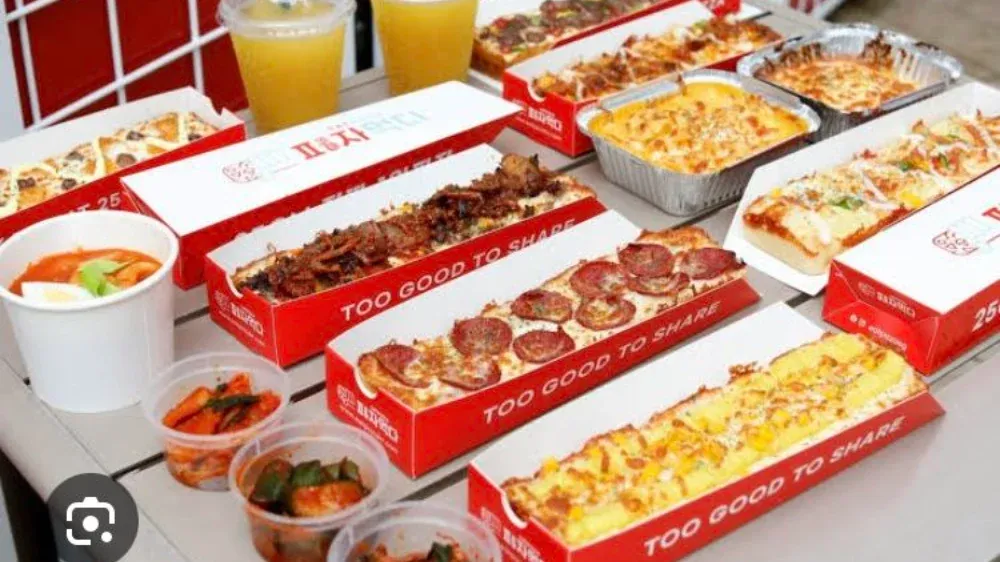
The cardboard pizza box is not especially glamorous. Its job is to protect a hot pie, keep the toppings in place and make dinner easier to carry. It does that job on the way home, at a roadside stop, in a hotel room or around a crowded kitchen table.
After the last slice, the box still has some value. Cardboard collected through a proper recycling stream can be turned into feedstock for new paper products rather than sent straight to the dump.
The rule itself is simple: scrape out leftover food and plastic bits, flatten the box, and see if your local program takes it. Don’t toss a box that’s still recyclable just because the bottom has a few grease spots. If it’s soaked through or really contaminated, do whatever your local guidance tells you—compost it or put it in the trash.
Pizza night shouldn’t turn into an argument about the bin. Grease isn’t the deal-breaker people once assumed it was.
What matters is the condition of the cardboard, the food left behind and the recycling service available where you live.
