
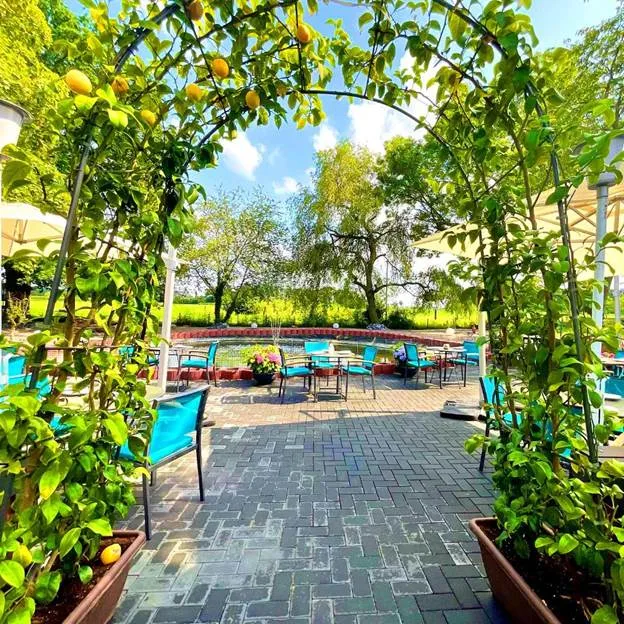
A good meal is about more than ingredients and recipes. The atmosphere, the company and the time people give themselves all help shape the experience. Italian dining culture often treats a meal as an opportunity to talk, reconnect and enjoy the moment. A restaurant visit can bring that spirit into everyday life: gather around the table, choose with care and let the evening unfold without rushing to the next commitment.
There does not need to be a special holiday or major celebration. A meal after work, a birthday or evening with friends can be a reason to step out of the routine. Italian cuisine offers variety, but no one needs to know the menu by heart or follow a strict course order to enjoy it.
A menu as an invitation, not a rulebook
Many Italian menus are organised in courses: a small starter may come first, followed by a first course, a main dish and, if desired, dessert. This structure can offer inspiration, but it is not a requirement. Depending on appetite, time and personal preference, diners can choose one course, share a few dishes or keep the meal light.
That flexibility suits different occasions. Someone stopping in for a quick dinner may choose one dish and a drink. A group planning a longer evening can take its time and leave room for conversation between courses. With a larger party, a brief conversation before ordering can make things easier: Would everyone like to share a starter? Does each person prefer to choose a main course? Small agreements like these help the meal feel relaxed.
Choosing food does not have to be complicated. Familiar favourites can be a comfortable starting point, while curious diners may enjoy trying something new. Questions about ingredients, preparation or portion sizes are best directed to the restaurant staff. Guests with allergies or food intolerances should explain their needs clearly rather than relying on a general menu description alone.
Atmosphere is part of the experience
A restaurant is shaped by more than its kitchen. Lighting, noise, décor and the welcome guests receive all influence how a visit feels. For some, a good evening means a quiet table and an easy conversation; others enjoy a livelier atmosphere. When choosing where to dine, consider not only the occasion but also the kind of setting the group would enjoy.
In Moers, Kastanienhof describes its offering as upscale Italian cuisine in a friendly atmosphere and stylish setting. If you are planning a visit, check the restaurant’s current information and contact the team with any questions. This can be especially useful for a larger group or if you have requests related to dietary needs, allergens or the timing of the evening.
A reservation can make the start of the evening smoother. Share the number of guests and, if relevant, the occasion; if plans change, let the restaurant know as early as possible. Parents dining with children can ask what seating or menu options may be available. This helps set expectations without assuming that every restaurant offers the same arrangements.
For larger parties, it can help to have one person manage the reservation and communicate any later changes. That way, details are less likely to get lost, and the rest of the group can focus on the meeting time and location. If you have a particular schedule in mind, ask about it in advance.
Finding a balance between choice and ease
A long menu can be inspiring, but it can also make a decision harder. Instead of comparing every dish, start with a simple question: What suits your appetite, the time of day and the occasion? If you are unsure, ask the staff for a suggestion or decide on the next course first. There is no need to plan the whole evening from the first bite to espresso.
Drinks can complement a meal, but the choice should suit the people at the table. Some may prefer wine, while others choose water or a non-alcoholic option. Dining together does not mean everyone has to order the same thing. If children or guests who do not drink alcohol are joining, ask what suitable alternatives are available.
Sharing dishes can be a pleasant way to bring different tastes to the table, but it should remain optional. Some dishes are easy to sample together; others are better ordered individually. A quick check-in helps everyone feel included. Good hospitality is not about making every diner choose alike, but about leaving room for different preferences.
Make a meal a pause in the day
Eating together can bring a welcome rhythm to a busy day. Putting phones aside for a while, listening attentively and resisting the urge to watch the clock can change the mood more than an elaborate plan. A restaurant provides a setting for that pause, while taking shopping, cooking and cleanup off the evening’s to-do list.
Even when dining out regularly, guests can pay attention to their own comfort: choose a portion that suits their appetite, eat at an unhurried pace and pause when needed. Enjoyment does not mean ordering as much as possible or taking every course. It often comes from being present with the meal and feeling at ease with the people around you.
A restaurant visit to remember
Italian dining culture cannot be reduced to one sequence of courses or a single dish. It is also about being together, having good conversations and making time for a meal. A memorable evening comes together when the food, atmosphere and company suit the occasion and everyone at the table can express their own preferences.
Whether it is a quiet dinner for two, a get-together with friends or a family meal, a suitable reservation, questions about the menu and a relaxed attitude can make the visit easier. In Moers, an evening of Italian dining can become a welcome pause—not just a chance to eat, but an opportunity to share a pleasant moment together.
