
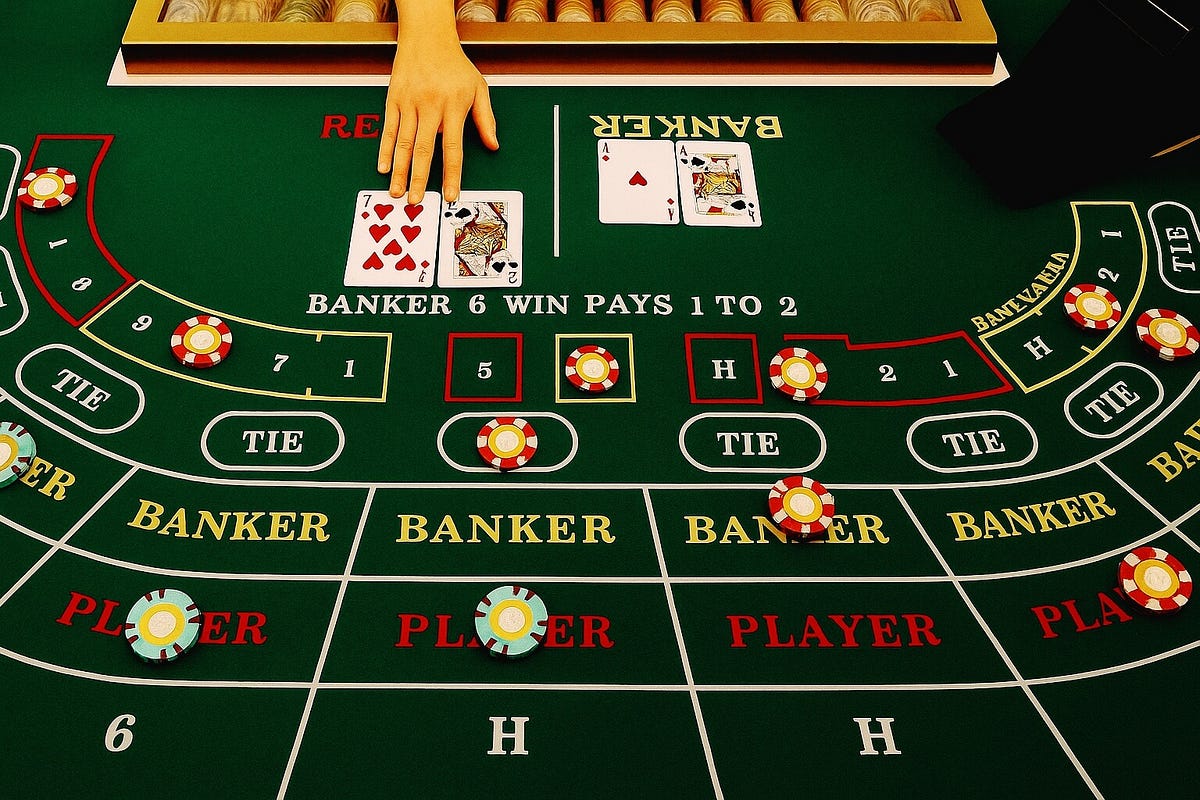
Learning a casino table game becomes easier when its mechanics are examined in a logical sequence. For anyone looking to Try playing baccarat (ทดลองเล่นบาคาร่า), the most useful starting point is understanding how a round begins, how cards are valued, and how the final result is established. Baccarat does not require players to control the cards, making knowledge of the game structure particularly important when learning how each round progresses.
How Does a Typical Baccarat Round Begin?
Before cards are dealt, participants select an eligible wager. The principal options are usually Player, Banker, or Tie. Once betting closes, the dealing procedure begins.
Two cards are initially dealt to each of the Player and Banker hands. Their totals are then calculated using baccarat’s special scoring system. The result may already be final, or the rules may require an additional card.
Why Does Baccarat Use a Different Scoring System?
Baccarat is based on totals from zero through nine. Tens and face cards count as zero, aces count as one, and numbered cards retain their face values.
The important feature is that only the last digit of a combined total matters. A hand worth 16 therefore has a baccarat total of six. A hand worth seven remains seven.
This system keeps every final hand value within a single-digit range.
What Does a Natural Hand Mean?
A natural generally refers to an initial two-card total of eight or nine. When this occurs, the dealing sequence may end immediately, depending on the opposing hand and the applicable rules.
Recognizing natural totals is useful because they can explain why no third card is dealt. The term is commonly used when discussing the early stages of a baccarat round.
When Is a Third Card Dealt?
The third-card rules determine whether the Player or Banker receives another card. These rules are automatic and depend on the existing hand totals.
The Player hand is evaluated first under the relevant dealing conditions. The Banker hand is then assessed according to its own total and, in certain situations, the value of the Player’s third card.
This means the outcome is not based on a dealer’s personal discretion.
What Makes the Banker Wager Different?
The Banker outcome is one of the central betting choices in baccarat. It represents a prediction that the Banker hand will finish closer to nine than the Player hand.
Depending on the rules, a winning Banker wager may be subject to a commission or an adjusted payout. Because conditions vary between tables, participants should always review the posted payout information instead of assuming every table operates identically.
How Is a Winning Hand Determined?
After all required cards have been dealt, the final totals are compared. The hand with the higher total wins, provided there is no Tie outcome.
For example, if the Player finishes with eight and the Banker finishes with five, the Player hand wins. If both finish with the same value, the round is classified as a Tie.
The calculation is simple once the scoring method becomes familiar.
Are Previous Rounds Important for the Next Result?
Previous outcomes can be recorded for informational purposes, but they do not control subsequent deals. Each new round is determined by the cards involved in that round and the applicable dealing rules.
A sequence of similar results should therefore not automatically be interpreted as evidence that an opposite result is due. Understanding this distinction helps keep attention on the actual rules rather than assumptions about short-term patterns.
What Should a New Player Learn First?
The most useful learning order is straightforward: understand card values, identify the available wagers, learn how totals are calculated, and then study the third-card procedure.
It is also important to understand the financial conditions of the chosen table before placing a wager. Limits, payouts, and rules should be reviewed beforehand.
How Can Baccarat Be Studied Efficiently?
Observation is a useful learning method because it allows beginners to follow several complete rounds without immediately focusing on financial outcomes. Watching how cards are valued and when additional cards appear can reinforce the written rules.
Once the basic process is familiar, players can examine individual betting options and their associated payouts. This structured approach creates a clearer understanding of baccarat while recognizing that the underlying outcomes remain governed by chance.
