
Keeping Construction Projects Moving with Reliable Temporary Power
Why Temporary Power Is Essential on Construction Sites
Electricity is a fundamental requirement for many construction and renovation projects. From operating power tools to providing temporary lighting, contractors depend on a reliable supply of energy to keep their work organised and productive. However, not every site has access to a suitable mains connection, particularly during early construction stages, remote projects, and external improvement work.
Temporary generators offer a practical solution when permanent electricity is unavailable or insufficient for the planned activities. They allow businesses to establish a temporary power source that can support selected equipment and essential site operations.
For contractors working across Shropshire, Local plant hire in Telford can be a useful option when arranging machinery and equipment for a project. Hiring a generator can help businesses access temporary power without purchasing equipment that may only be needed for a limited period.
Identifying Your Site’s Electricity Requirements
Before selecting a generator, contractors should understand what needs to be powered and how much electricity those items require. Choosing a generator simply because it appears large enough can lead to problems if the connected equipment places excessive demands on the available supply.
Start by preparing a list of electrical appliances, tools, and machinery that will operate from the generator. Record their power requirements and determine which items may need to run simultaneously.
It is also important to consider starting currents. Some electric motors and equipment draw considerably more power during startup than they require during normal operation. A generator must be capable of accommodating these demands without becoming overloaded.
The total load should therefore be assessed by someone competent to evaluate the electrical requirements. This allows the correct capacity to be selected and reduces the likelihood of interruptions caused by inadequate power provision.
When Is a 20kVA Generator a Suitable Choice?
A 20kVA generator may suit certain small to medium temporary power applications, depending on the equipment being connected and the generator’s specifications. It can be considered for selected construction activities, temporary site facilities, and other situations where a suitable electrical supply is required.
However, kilovolt-amperes (kVA) and kilowatts (kW) are not the same measurement. The usable real power depends partly on the generator’s power factor, so a 20kVA rating does not automatically mean that 20kW of electrical power is available.
The type of electrical supply, phase requirements, operating conditions, and starting loads must also be considered.
For example, a contractor may need to supply several smaller tools, temporary lighting, and a limited number of site appliances. Whether a particular generator can support those items depends on their combined demand and the manufacturer’s operating limits.
Businesses considering 20kva generator hire Telford should explain their intended usage when enquiring about equipment. Providing accurate information makes it easier to assess whether a 20kVA model is suitable or whether another capacity would be more appropriate.
Managing Fuel Use and Operating Time
Generator planning should include an estimate of how long the equipment will need to operate each day. A generator used for a few hours during a maintenance task has different requirements from one supplying power throughout a full construction shift.
Fuel consumption varies according to the generator model, connected load, operating conditions, and maintenance condition. Contractors should ask the supplier about expected running time, refuelling arrangements, and the recommended operating procedures for the hired machine.
It is also important to avoid leaving a generator running unnecessarily when the connected equipment is not in use. Good scheduling can reduce wasted fuel and help keep operating expenses under control.
For longer projects, establish who will monitor the generator and check its condition during operation. Fuel must be stored and handled safely, following applicable requirements and the equipment manufacturer’s guidance.
Considering Noise, Positioning, and Site Safety
The location of a generator affects both convenience and safety. Construction sites may have more flexibility than occupied commercial buildings, but positioning still requires careful thought.
Generators should be installed and operated outdoors in a suitable location, away from doors, windows, air intakes, and other openings where exhaust fumes could enter a building. They must never be operated in enclosed or inadequately ventilated spaces because carbon monoxide can cause fatal poisoning.
The installation should also protect the generator from unauthorised access, vehicle movements, and potential damage. Weather protection must be appropriate for the equipment and must not obstruct ventilation or create additional hazards.
Noise is another consideration, especially when working near homes, offices, or public areas. Discuss the expected operating environment with the hire supplier and check whether any restrictions apply to the site.
Electrical connections should be installed by a competent person using appropriate equipment and protective measures. Earthing, protection against electric shock, and cable management must be addressed according to the installation requirements.
Why Local Plant Hire Can Simplify Project Planning
Hiring equipment locally can make it easier to discuss practical requirements, confirm availability, and arrange delivery for a particular job. It can also help contractors coordinate equipment hire with other site activities.
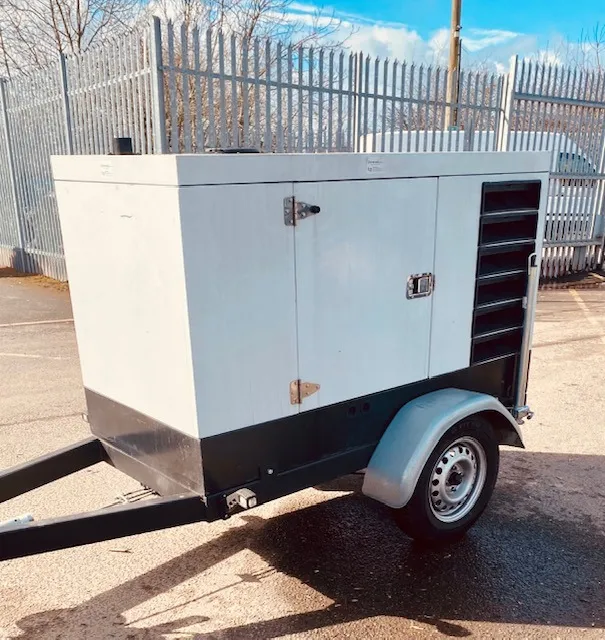
TT54 Plant Hire offers generator hire in Telford and describes a trailer-mounted generator rated at 22kVA, three-phase, on its website. Although the page promotes 20kVA generator hire, customers should confirm the exact model, capacity, and electrical specifications available for their booking.
Businesses can contact the supplier to explain their power requirements and ask about delivery, hire duration, and operating arrangements.
Conclusion
Reliable temporary electricity can make construction and maintenance projects easier to organise, particularly when a permanent supply is unavailable. Choosing suitable equipment requires more than estimating the number of appliances involved; contractors must also assess starting loads, running time, fuel arrangements, noise, positioning, and electrical safety.
For businesses seeking Local plant hire in Telford, working with an equipment hire provider can help them identify an appropriate solution for their site. Enquiries about 20kva generator hire Telford should include clear details of the intended load and operating conditions so that the correct capacity can be established.
Planning these details before delivery can help avoid unnecessary interruptions, control costs, and provide a more dependable temporary power arrangement for the duration of the project.
